Stop incidents before they happen.
One AI platform on the cameras you already own. Proven in some of the world's most demanding industrial environments.
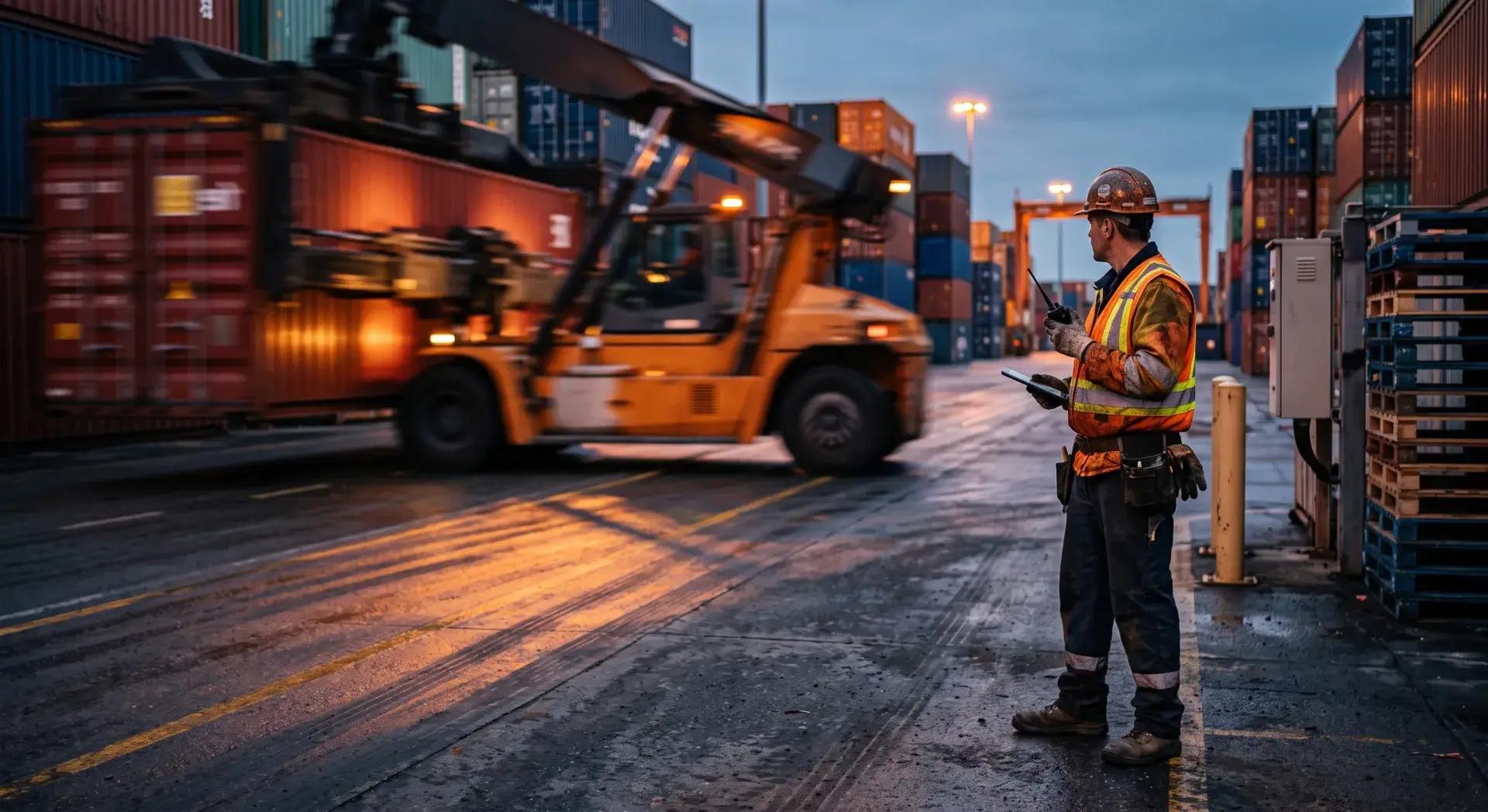
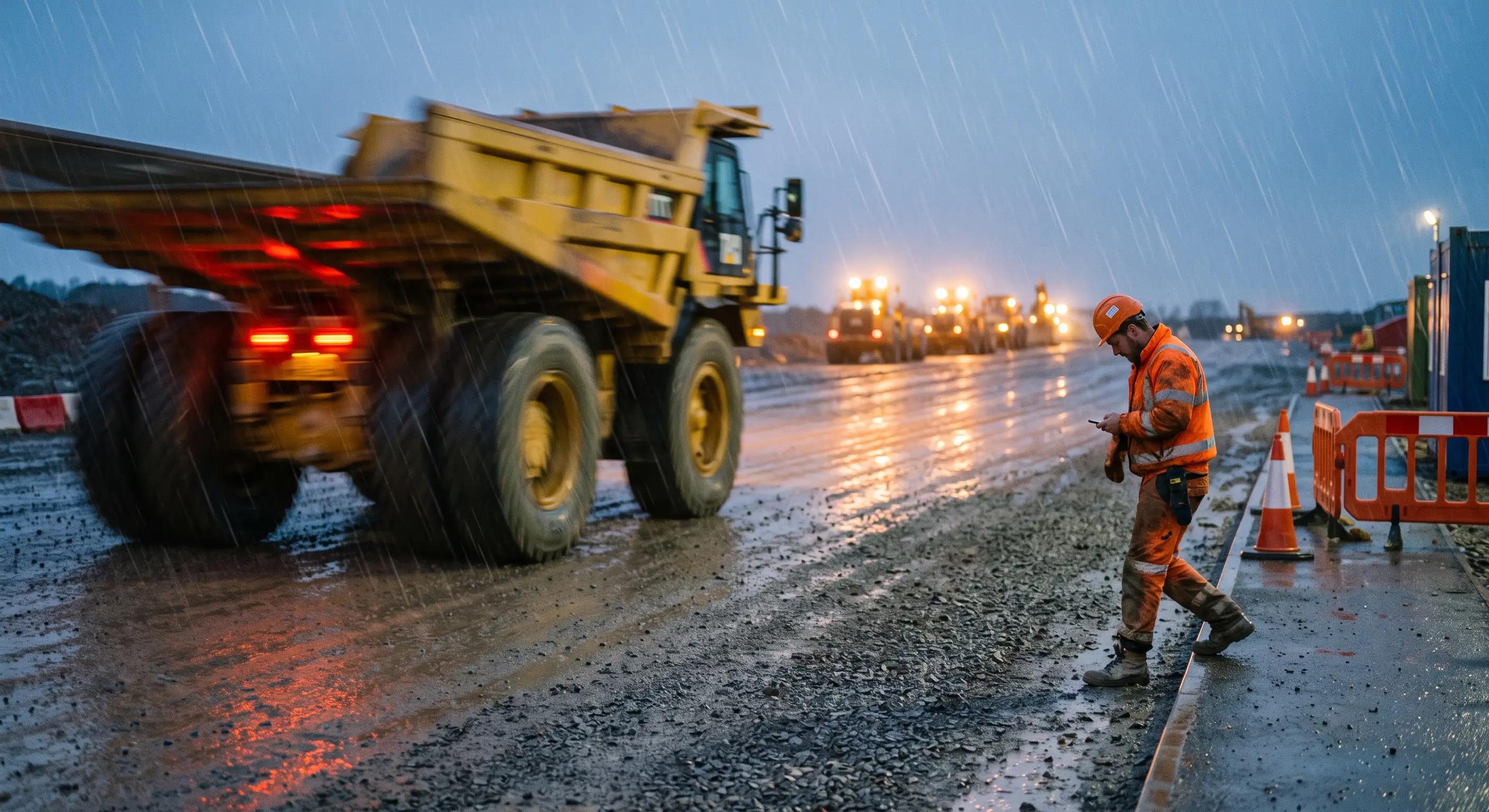
Vehicle-pedestrian conflicts, missing PPE, falls, fire & smoke, restricted-zone breaches. Detected in real time, processed on-premise.
One platform. Every hazard that matters.
SecureSafety is AI video analytics software that adds computer vision to the CCTV you already own and watches every feed, 24/7. That artificial intelligence flags the hazards that hurt people the moment they develop, in real time and processed on-premise.
+ 90 detectorsin one platform. Runs on your existing cameras, no rip-and-replace.Explore the platform
The most dangerous risks are the ones no one sees in time.
Most serious workplace incidents are caught on CCTV, after they happen. Being struck by a moving vehicle is the number-one cause of UK workplace fatalities. The footage becomes evidence in a prosecution, not a warning that could have prevented it.
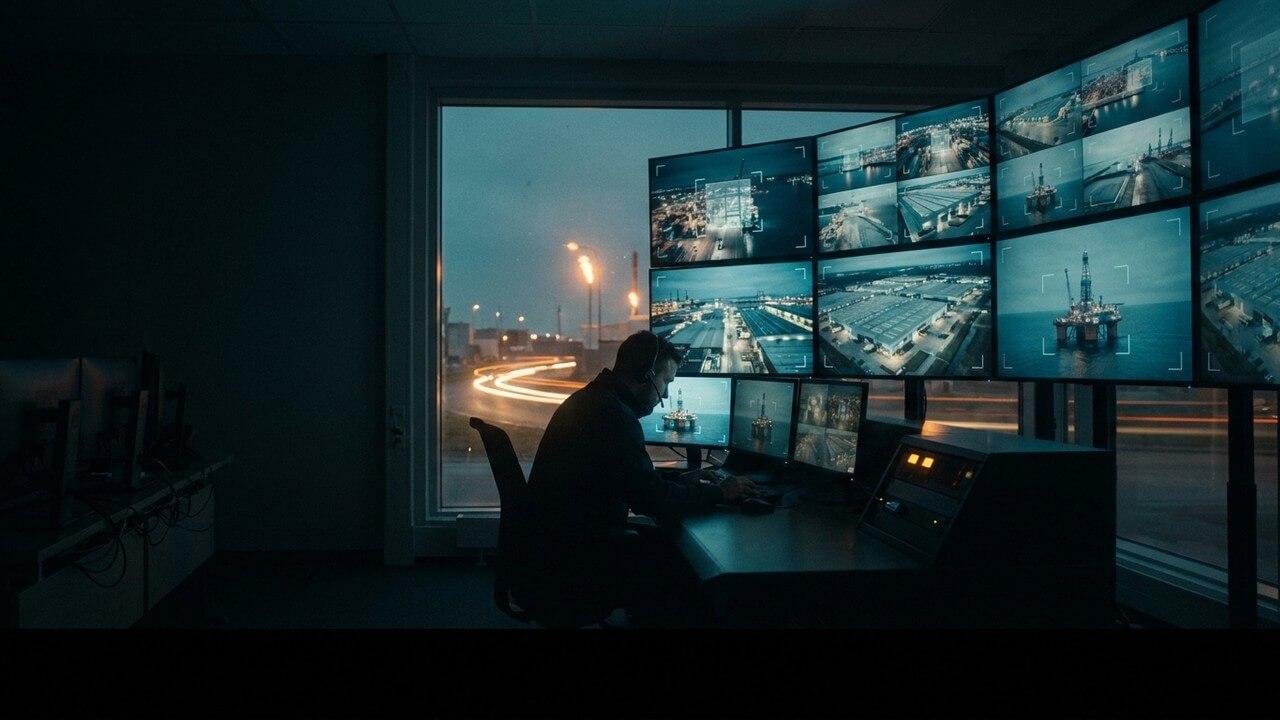
A single offshore rig generates over 430 hours of video a day. No control room on earth can watch that. Your cameras are already watching. They’re just not seeing. SecureSafety makes them see.

Stop the top by watching the base.
Heinrich’s safety triangle is a simple, hard truth. Every fatality sits on a wide base of smaller events: serious injuries, minor injuries, then hundreds of near-misses and thousands of unsafe acts.
Most safety programmes only react at the top, once someone is hurt. SecureSafety works the base. Its AI watches every camera for the unsafe acts and near-misses that predict serious harm, so your team can step in before an event climbs the pyramid.
That is how a reactive culture becomes a proactive one. It is also how a controlled field trial cut tracked unsafe events by around 80%.
One platform. Every site.
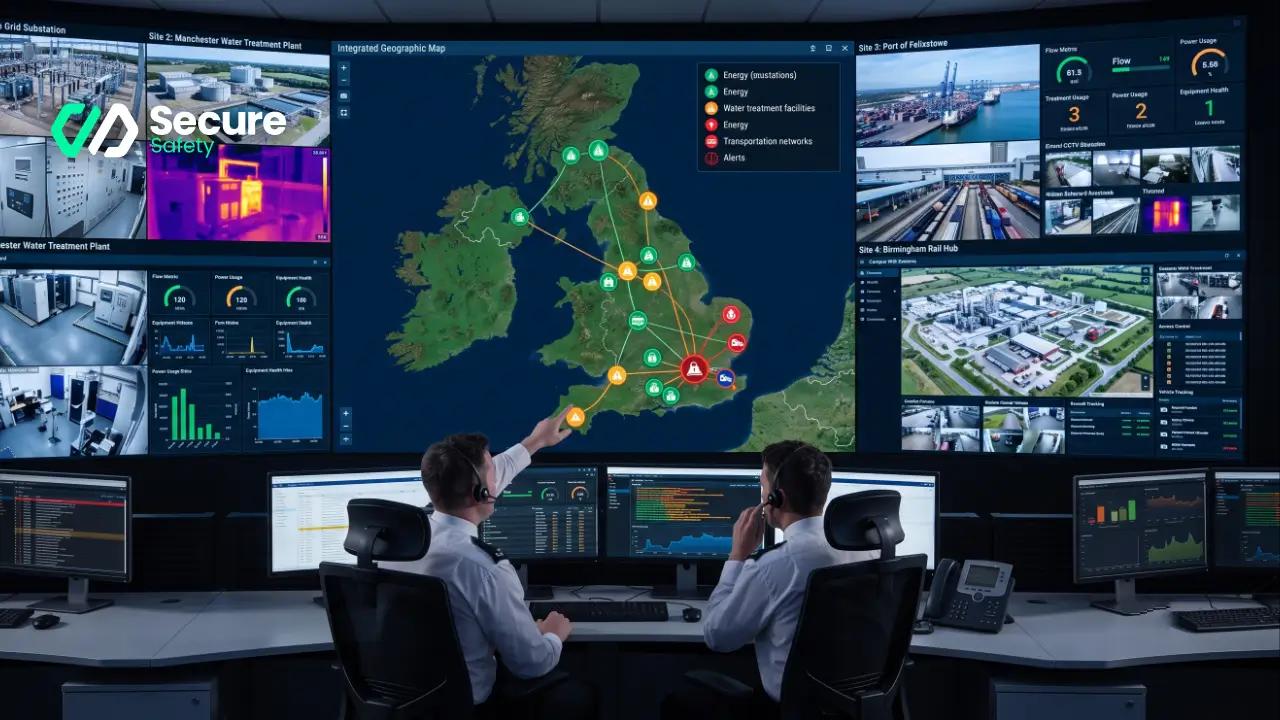
Every camera, worker, alert and beacon feeds one operational picture — whatever the site, whatever the scale. From a single yard to a national fleet of drilling rigs, the control room sees everything, live, from the same screen.

Your cameras. Plus AI. Deployed fast.
Turn video footage into real-time insights, take action, prove impact. From live-in-days to board-ready proof, in four steps.
Explore the platformMake your cameras see
Runs on the CCTV you already own, every feed on one on-premise platform. Live in days, no rip-and-replace.
Proactive risk detection
The AI surfaces the leading indicators of risk: vehicle-pedestrian conflicts, PPE breaches, falls and red-zone incursions, the moment they develop.
Stop the incident
Every detection becomes action. Route alerts where your team already looks and close out near-misses before they turn into incidents.
Prove the impact
Every detection builds an audit trail that feeds incident reports and supports risk assessments. Benchmark across sites and give the board the numbers, like the field-measured ~80% drop in unsafe events.
Count everyone. Hold the limit.
On a drill floor, only so many people belong in a zone, and only so many of each role. SecureSafety counts everyone in frame in real time, holds the limit for the whole area and for each vest colour, and raises an alert the moment the count goes over. Operators clear it on the spot.
- Per-zone limit
- Per-role (vest) limits
- Tolerance thresholds
- Instant over-limit alerts
- On-premise
Deployed where safety
demands the most.
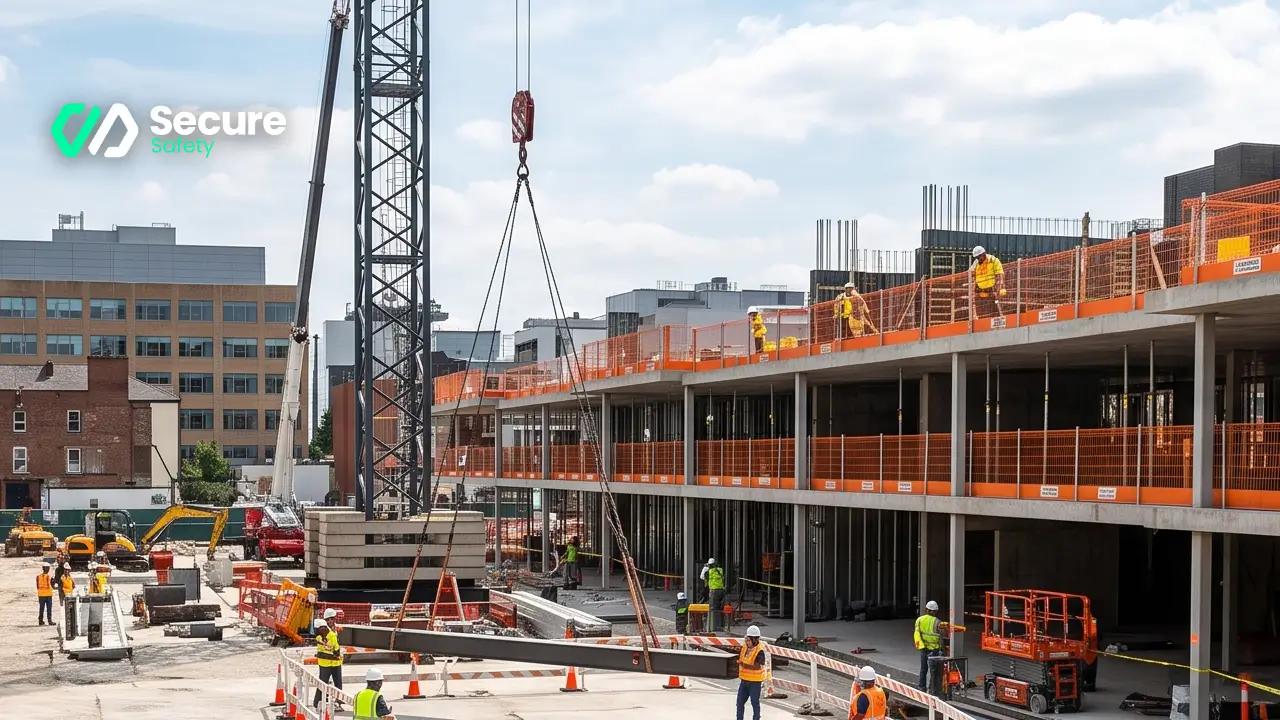
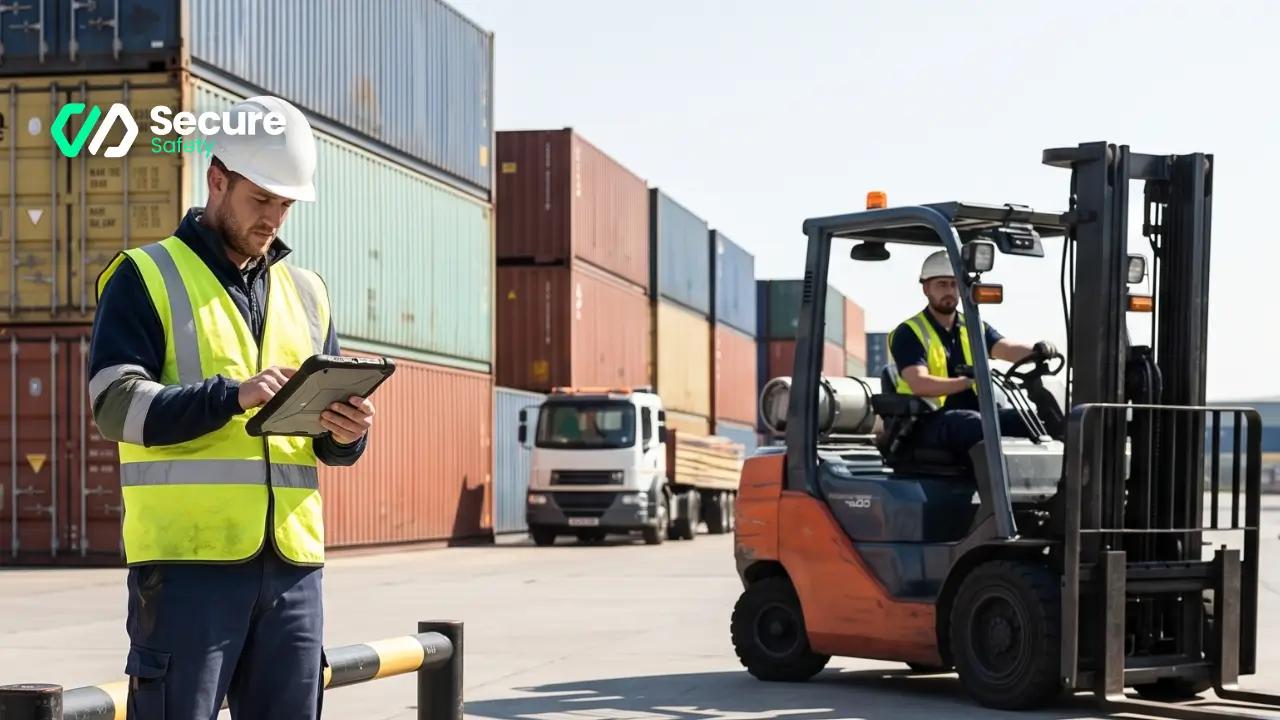
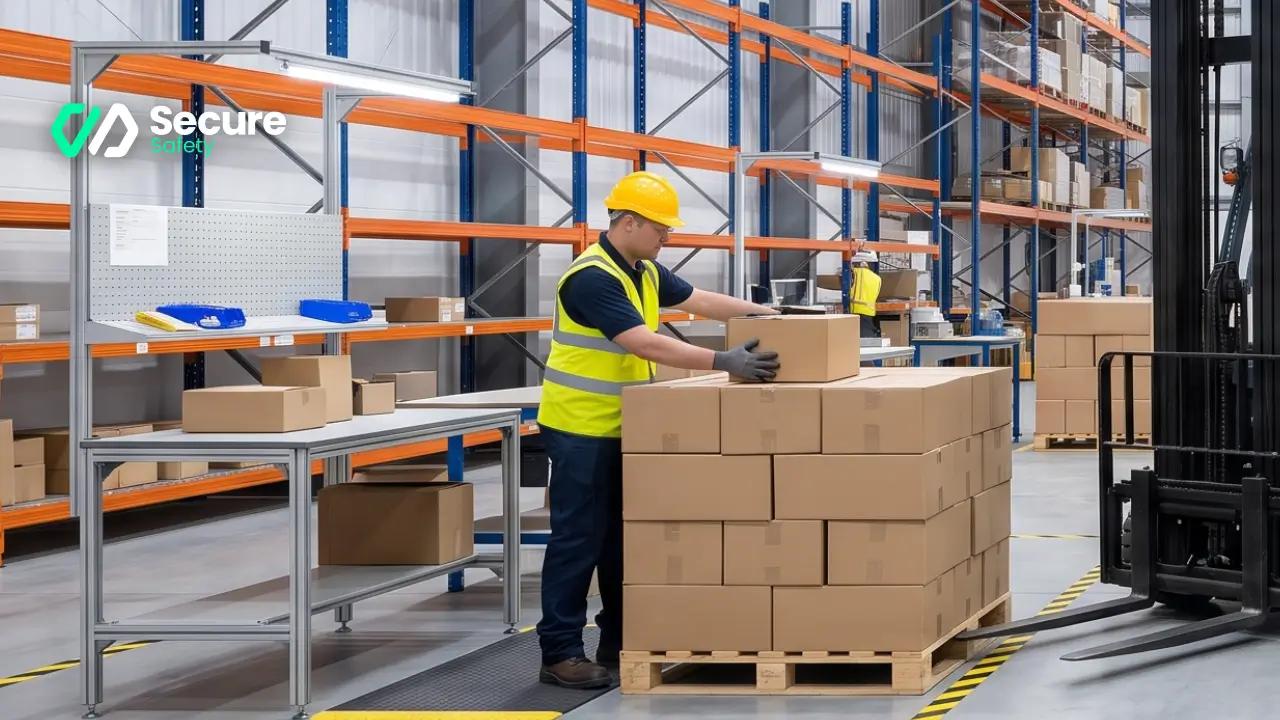
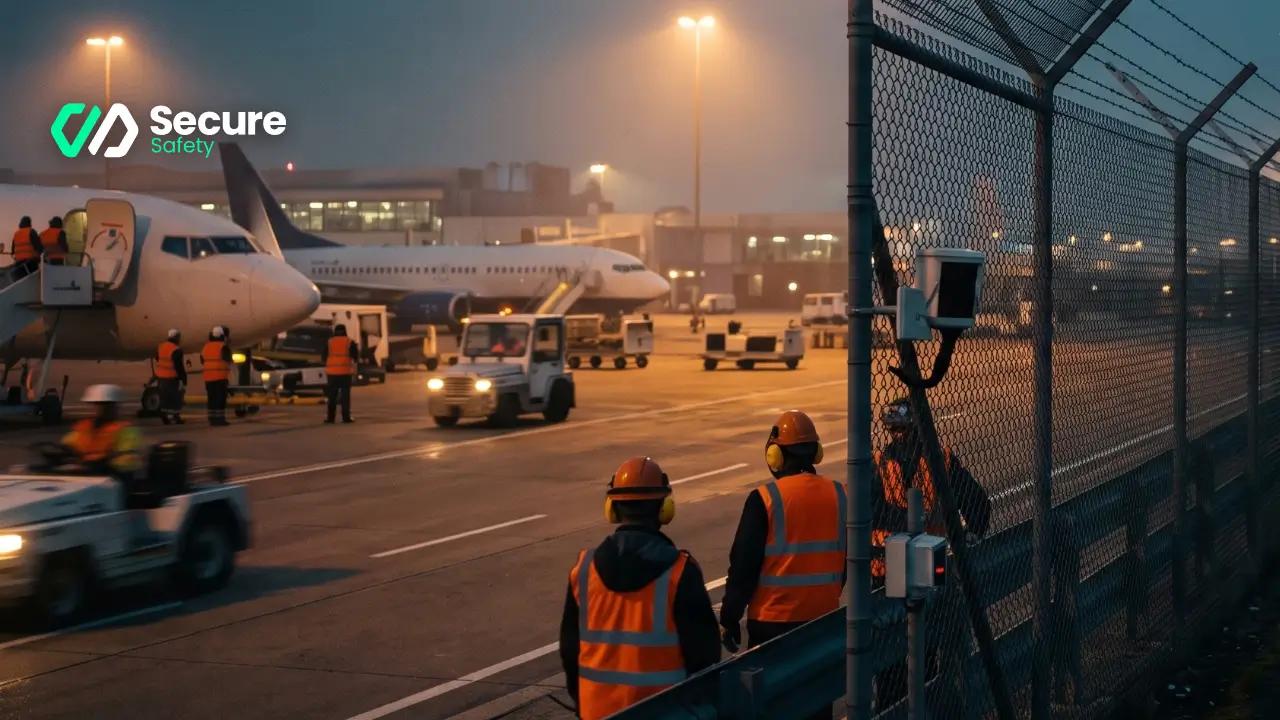
From offshore platforms to airport airsides to production floors. SecureSafety is built for the operational realities of high-risk industrial working environments.
See all sectors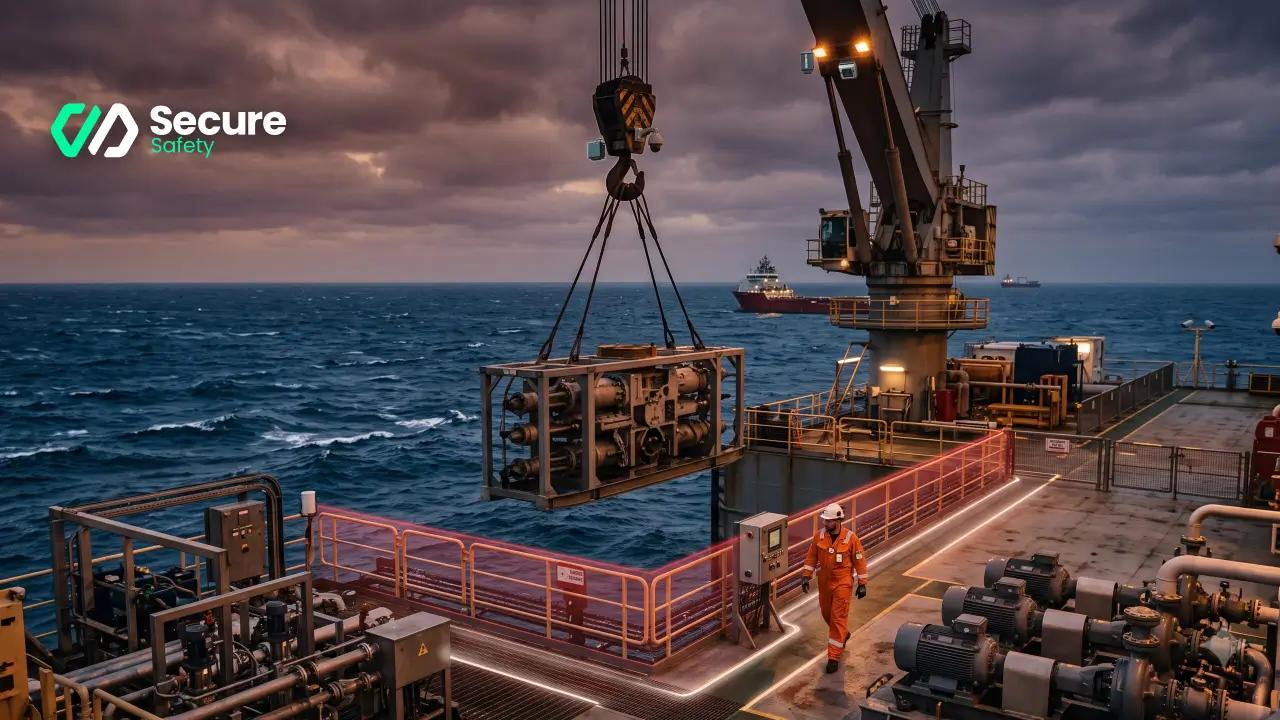
Built offshore. Proven at scale.
Safety AI that has only run in demos is not safety AI you should trust with lives. SecureSafety started on the drill floor of an offshore rig in 2018 and has been running in live industrial operations ever since. Here is what eight years of operational deployment looks like.
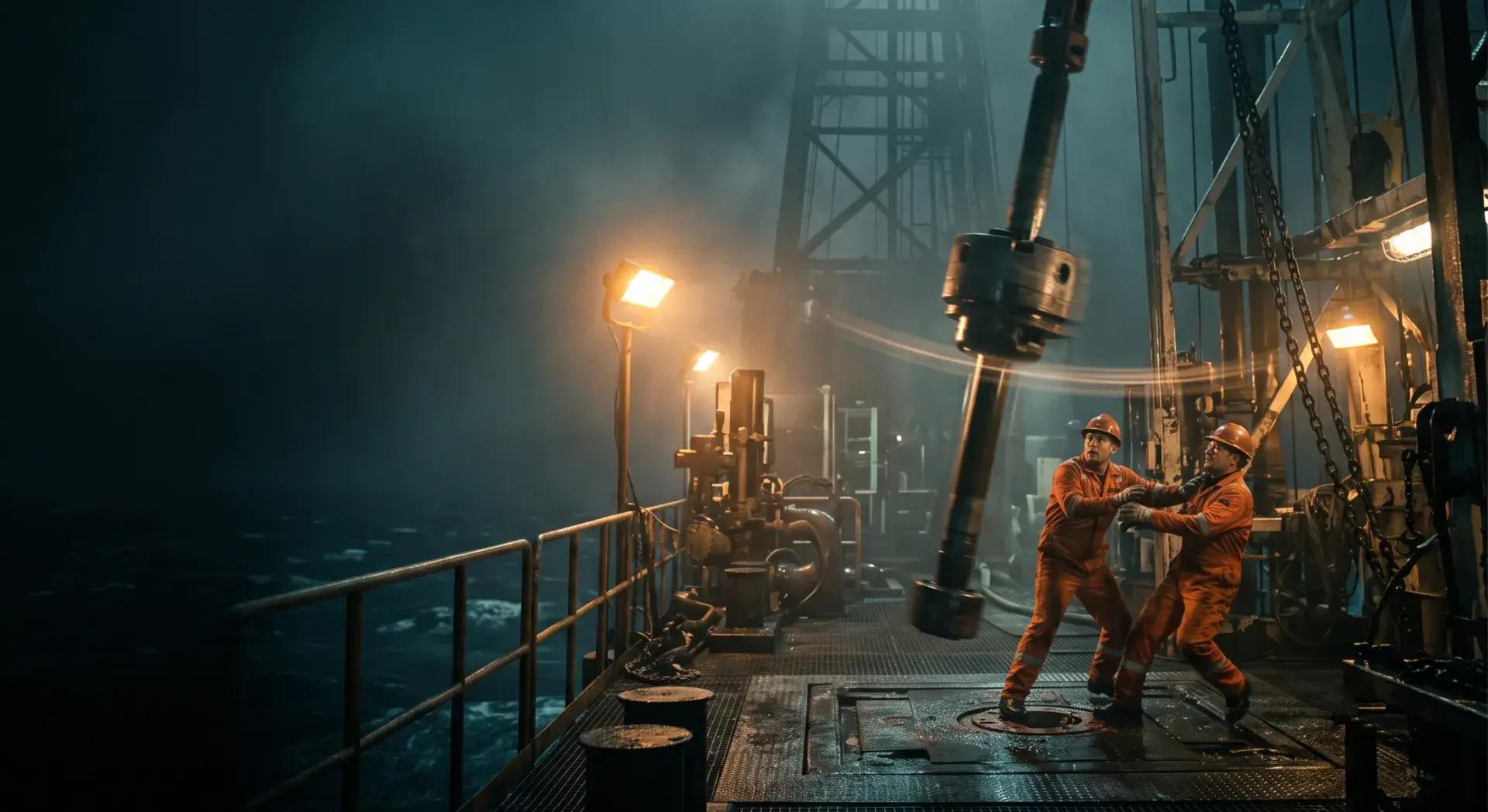
Read the full offshore case studySecureSafety first went live on the drill floor of an offshore oil rig — one of the most unforgiving environments on earth. Suspended steel, confined spaces, sea-spray on lenses, and zero tolerance for a missed detection. That is where the core computer-vision models were built and hardened. Not in a lab, but in live operations where the cost of a failure is measured in lives and regulatory shutdowns.
From a single rig, SecureSafety expanded to cover approximately half of a national oil-major’s drilling fleet — 13 rigs processing over 18,000 events every day at a sub-0.05% error rate. That scale was not a sales exercise. It was the proof that on-premise AI could run reliably in remote, bandwidth-constrained environments without human oversight of every alert. The models became faster and more accurate under operational pressure, not despite it.
The same detection stack that monitors a drill floor now runs at a major international port and an international airport. Different environments, different hazards, the same requirement: real-time detection of risks that a human supervisor cannot maintain across an entire site simultaneously. The offshore pedigree transfers because the underlying challenge is identical — large, complex operations, shared spaces, and a gap between the risk that is happening and the moment someone in a control room knows about it.
A controlled field trial measuring six categories of unsafe behaviour — distracted operators, human-machine segregation breaches, missing PPE, and excessive speed — recorded an overall ~80% reduction in tracked events over the trial period. Human-machine segregation breaches were eliminated entirely. This is not a projection from a model. It is a measured outcome from a live industrial operation, peer-reviewed against baseline data collected before deployment.
Every customer inherits eight years of accumulated model improvement, operational learning, and edge-case handling from one of the world’s most demanding deployment environments. You are not buying a promise; you are buying a system that has already failed in ways that a demo never will, learned from those failures, and kept running.
Sub-0.05% across 18,000 events/day
Sustained across 13 rigs, multiple ports, and an international airport. Low false-positive rates matter because alert fatigue is how safety systems get switched off. A system with 99.95%+ precision is one your team trusts enough to act on every time.
Footage never leaves your site
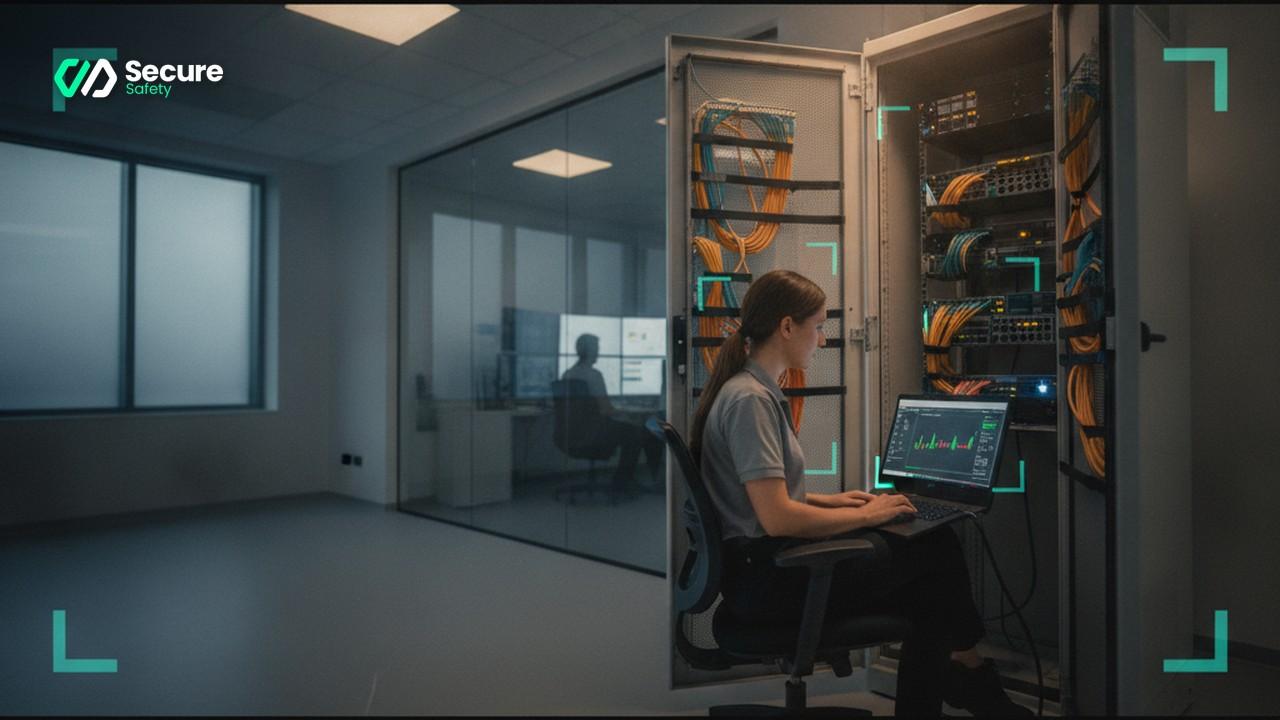
Processed locally, on hardware you own or lease. No cloud dependency for live detection means no latency risk, no bandwidth cost at remote sites, and no compliance concern about footage transmission.
Built for environments where failure is not an option.
The architecture behind SecureSafety was shaped by eight years of live industrial deployment, starting offshore where the failure conditions — low bandwidth, hostile environments, zero error tolerance — forced every technical decision to be the right one. Here is how the system is built.
Explore the full platformOn-Premise Processing
Every frame is analysed locally on hardware installed at your site. No footage leaves your network. Detection latency is measured in milliseconds, not seconds, because there is no round-trip to a cloud inference endpoint. This matters operationally: a vehicle-pedestrian alert that fires 200ms after the proximity event gives a control room operator time to act. One that fires three seconds later, after the cloud round-trip, does not.
Edge AI Models
The computer-vision models that drive SecureSafety were trained and refined in live industrial environments, not on curated benchmark datasets. Offshore deployment means low-light lenses, sea spray, moving machinery, and people in bulky cold-weather gear. The result is detection that holds its accuracy across conditions that fail systems trained only in controlled environments.
Camera Compatibility
SecureSafety works with the CCTV infrastructure you already have. It connects via ONVIF, RTSP or manufacturer-specific SDK — which covers the vast majority of IP cameras installed in industrial environments over the last decade. There is no requirement to replace existing cameras, re-run cabling, or commission new hardware unless you want to expand coverage.
Alert Routing & Integration
A detection is only valuable if it reaches the right person in time to act. SecureSafety routes alerts via webhook, REST API, MQTT, or direct integration with your existing VMS and control-room displays. Alerts carry a confidence score, camera reference, zone ID, and a frame capture.
These figures come from live deployment data, not from synthetic benchmarks. Latency is measured from frame capture to alert delivery on a local network. Error rate is computed across all 18,000+ events processed daily across 13 offshore rigs. Camera counts per node vary with resolution and detection density; a SecureSafety Discovery phase scopes the right hardware configuration for each specific site.
Book a Discovery sessionWhat sets SecureSafety apart.
Forged Offshore
Proven where the margin for error is zero.
Our AI has run on offshore oil & gas drilling rigs, the most dangerous workplaces on earth, since 2018. Today it runs across ~half of a national fleet at a sub-0.05% error rate. Technology hardened on a drill floor arrives ready for your yard.
Runs On Your Existing Cameras
No rip-and-replace. No new hardware to begin.
We add an AI layer to the video surveillance systems you already own, turning passive CCTV into real-time monitoring of your site's hazards. You go live in days, not a year-long install. Where cameras can't reach, wearables and proximity beacons extend coverage to lone workers and exclusion zones.
Privacy by Architecture
All processing on-site. No raw footage leaves your network.
Video analysis happens locally on our on-site edge device. Configurable anonymisation covers facial blurring, full-body blurring and videoless mode, so your deployment supports GDPR requirements from day one.
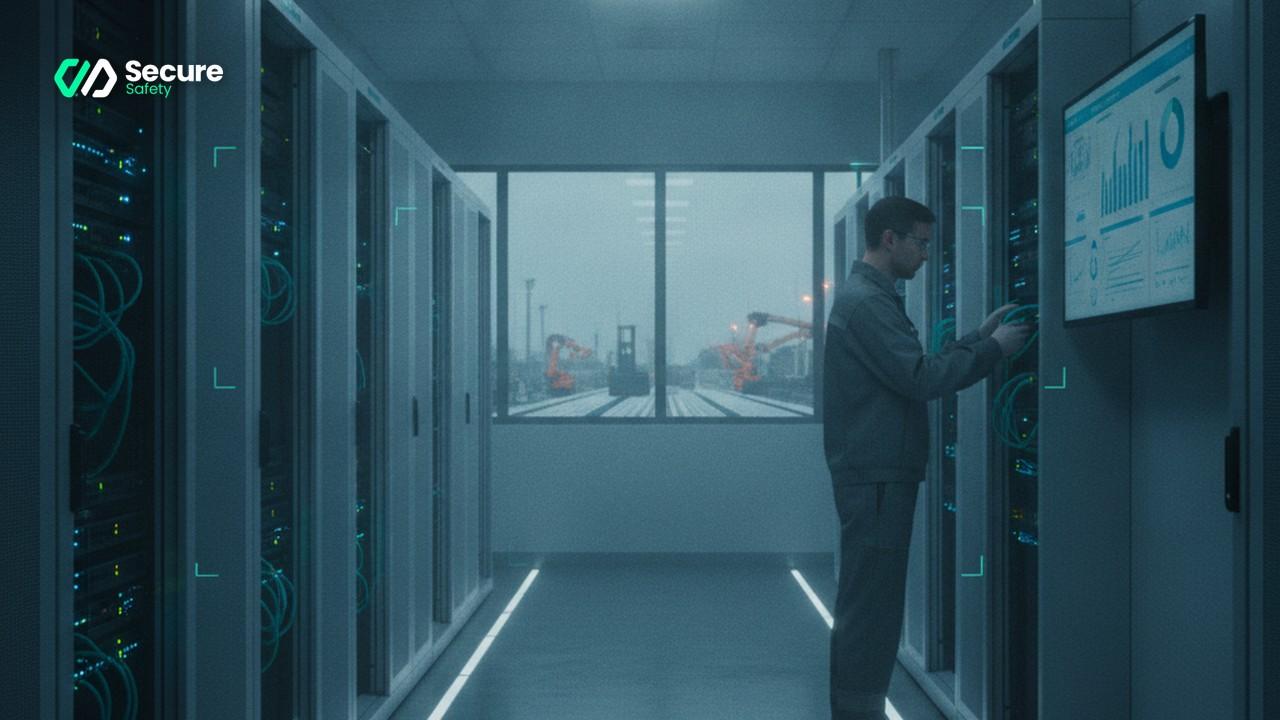
Why on-premise safety AI beats the cloudSafety AI, explained.
Questions safety teams ask us first.
Do I need to install new cameras to use SecureSafety?
No. SecureSafety runs AI detection on the CCTV cameras you already own, turning existing footage into real-time hazard alerts. There is no rip-and-replace and no new hardware to begin.
Is the video processed on-premise or in the cloud?
All video analysis happens on-premise, on an edge device inside your own network. Raw footage never leaves your site, which keeps sensitive operational video secure and supports GDPR compliance from day one.
What workplace hazards can SecureSafety detect?
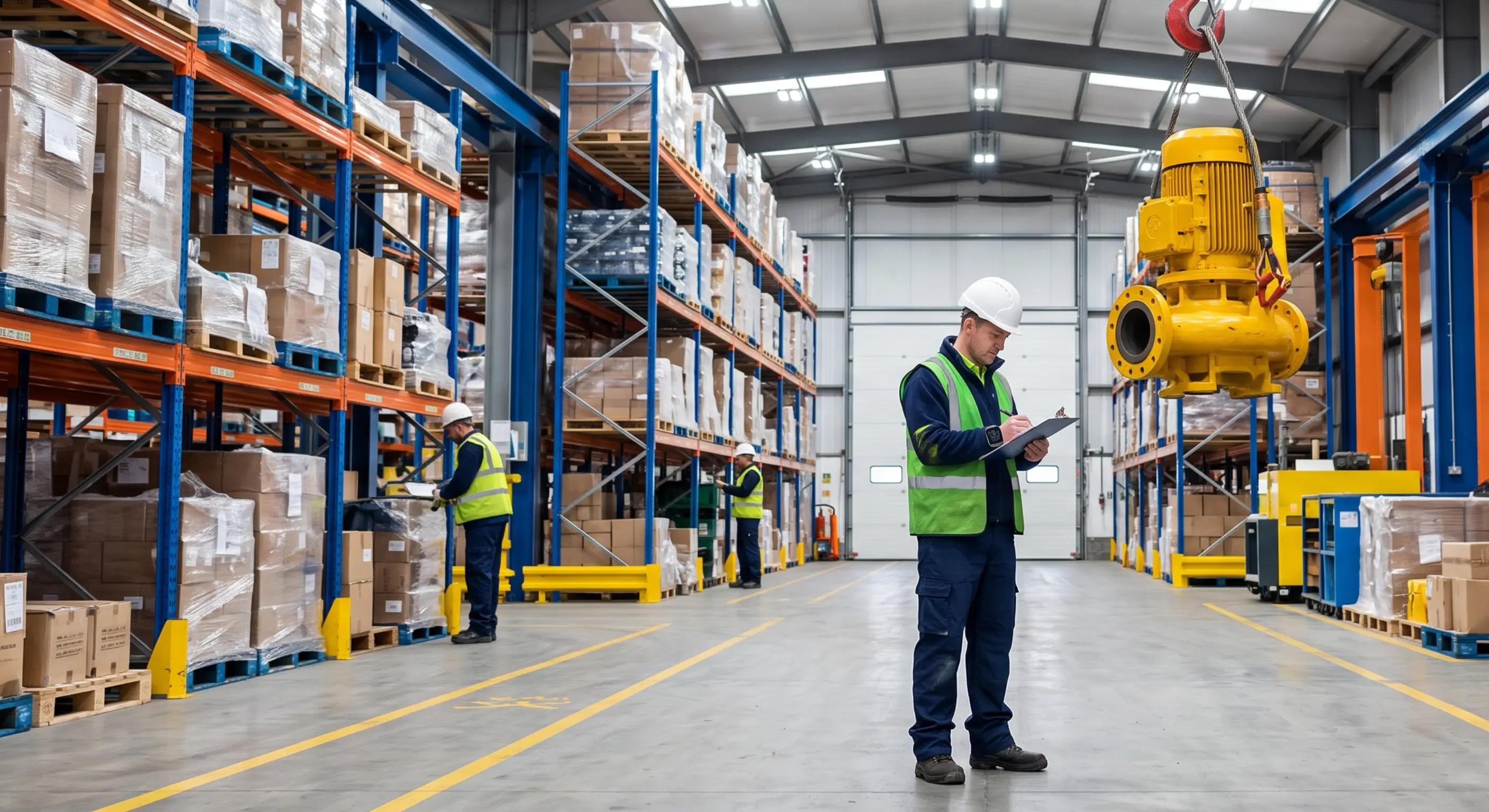
SecureSafety runs 90+ detectors covering vehicle-pedestrian conflicts, PPE non-compliance (helmets, hi-vis, gloves, harnesses), falls and people on the ground, fatigue, fire and smoke, restricted-zone and red-zone breaches, suspended loads, and offshore-specific hazards such as moonpool monitoring.
How accurate is it, and will it flood us with false alarms?
The engine runs at a sub-0.05% error rate. On a live offshore deployment it processes ~18,000 events a day, filtering out 99.76% of raw footage and surfacing only the ~0.23% that contains a genuine safety event. That is an alert crews trust rather than switch off.
Which industries is SecureSafety built for?
High-hazard environments with real camera estates: offshore oil & gas, ports and logistics, aviation, construction, industrial manufacturing, chemicals, warehousing and waste. Its detection pedigree was forged offshore, across ~half of a national drilling fleet.
How quickly can it be deployed?
Because it runs on your existing cameras, detection can be live in days rather than a year-long install. Every engagement starts with a fully-costed Discovery phase: a site survey, integration and security analysis, and a delivery plan.
How is SecureSafety different from a generic AI camera tool?
It was hardened in offshore oil & gas, the world’s most demanding safety environment, and runs there today at fleet scale. That depth of real industrial hazard detection is what sets it apart from generic video analytics. As health and safety software it strengthens health and safety management across the organisation: an on-premise platform with a 90+ detector library that arrives already proven, not in a pilot.
See it on a live deployment. Then scope it for your site.
Book a short demo and our specialists will walk through the offshore results, then map your hazards, coverage gaps and the detection layers that fit your environment. It starts with a fully-costed Discovery phase.